
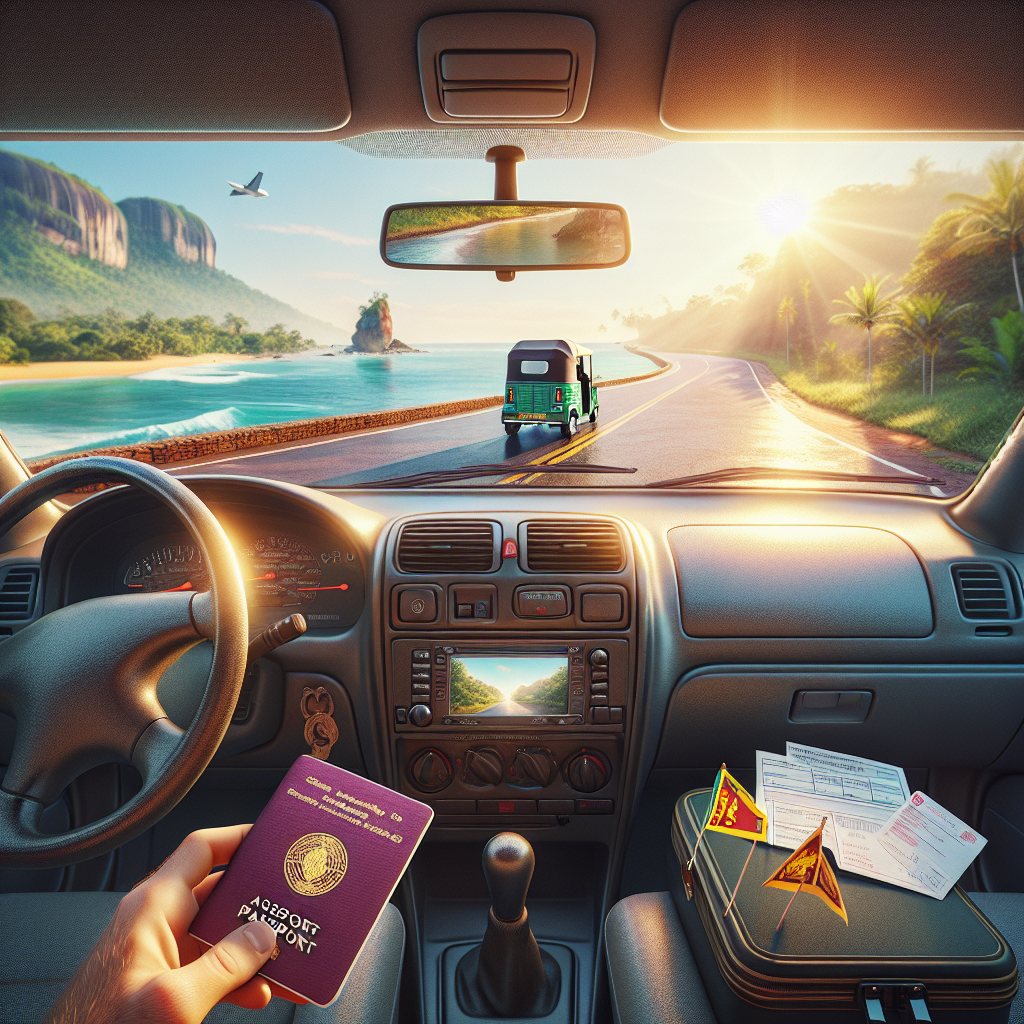
International Driving Permit Sri Lanka: How to Drive with Confidence on Island Roads
Planning to rent a car or scooter in Sri Lanka? An International Driving Permit Sri Lanka visitors’ guide will save you time, stress and potential fines. Whether you’re island-hopping from Colombo to Galle, navigating the tea-country hairpins in Nuwara Eliya, or zipping past palm-lined beaches in the south, understanding when and how to use an International Driving Permit (IDP) is essential for a smooth trip.
What is an International Driving Permit (IDP)?
An International Driving Permit is a translation of your valid national driving licence into several languages and provides a standardized document that many countries and rental companies recognize. It is not a standalone licence — you must carry your original national driving licence alongside your IDP.
Do you need an International Driving Permit in Sri Lanka?
Short answer: usually yes if you plan to drive as a tourist. Many car and scooter rental companies in Sri Lanka require visitors to present an International Driving Permit in addition to their national licence and passport. Carrying an IDP helps at police checkpoints, rental counters, and in emergencies where a language barrier exists.
Important note: rules can vary by nationality and by the issuing convention of the IDP, so double-check the requirements for your country before departure. The safest approach is to obtain an IDP from your home country if you intend to drive in Sri Lanka.
How to get an International Driving Permit before you travel
Getting an IDP is straightforward. In most countries it is issued by your national motoring authority or an authorised automobile association. Typical steps are:
- Visit your country’s authorised issuer (for example, AAA in the USA, AA/RAC in the UK, ADAC in Germany, NRMA/AAA in Australia).
- Provide your valid national driving licence and a passport-sized photo.
- Complete an application form and pay a modest fee.
- Receive the IDP — processing times vary from immediate walk-in service to a few days for mailed applications.
Validity is usually one year from issue, though check the exact term with your issuer. Apply before you leave home; you generally cannot get a valid IDP once you arrive in Sri Lanka.
What to carry when driving in Sri Lanka
Always travel with these documents in your vehicle:
- Your original national driving licence (valid and not expired)
- Your International Driving Permit
- Your passport (or a photocopy if you prefer to leave the passport in a safe place while driving)
- Rental agreement and proof of insurance
Renting a car or scooter — tips and traps
Renting is the most common way visitors drive in Sri Lanka. A few practical tips:
- Rental companies often insist on an IDP plus licence. If you arrive without an IDP you may be refused or charged a higher deposit.
- For scooters and motorbikes, insist on a helmet and check that it fits. Helmets are legally required for both riders and pillion passengers.
- Thoroughly inspect the vehicle for damage and photograph dents/scratches before leaving the lot to avoid disputes on return.
- Confirm what insurance is included and consider adding extra coverage for peace of mind. Many local insurers have limited cover for foreign drivers unless an IDP is shown.
- Have a credit card for the deposit. Cash-only rentals are riskier and less common at reputable companies.
Driving conditions and cultural tips
Sri Lanka offers stunning drives but also challenges that every visitor should prepare for:
- Sri Lanka is a left-hand driving country. If you’re not used to left-side driving, practice in a quiet area first.
- Road surfaces vary: modern highways around Colombo and to the southern coast are good, while rural roads can be narrow, steep and pothole-prone.
- Traffic can be chaotic in towns — expect many motorbikes, tuk-tuks and pedestrians. Horns are used frequently as a warning rather than an expression of anger.
- Watch for livestock, bicycles, and roadside vendors, especially in rural or coastal stretches.
- Avoid driving after dark on unfamiliar rural roads. Street lighting is limited outside cities, and animals or unlit vehicles can appear suddenly.
- Monsoon rains (May–August in the southwest, October–January in the northeast) can make roads slippery and trigger floods or landslides in hilly areas.
Traffic rules to keep in mind
Basic rules that help you blend in and stay safe:
- Drive on the left and overtake on the right.
- Seat belts are required for front-seat occupants. Helmets are mandatory for two-wheeler riders and passengers.
- Speed limits vary; follow posted signs and slow down in built-up areas and near schools.
- Police checkpoints are common. Remain calm, present your documents politely and follow local instructions.
What happens if you get stopped or have an accident?
If you are involved in an accident or stopped by police:
- Stay at the scene until authorities say otherwise.
- Exchange details with other parties and take photos of the scene and vehicles.
- Present your passport, national driving licence and IDP if asked. Your IDP makes communication easier if language barriers arise.
- Contact your rental company and insurance provider as soon as possible. If you are a tourist, notify your embassy or consulate for guidance.
Long-term stays and converting your licence
If you plan to live in Sri Lanka for an extended period you will need to obtain a Sri Lankan driving licence. Conversion rules vary based on residency status and nationality; some national licences can be exchanged directly, while others require a local driving test. Check the Department of Motor Traffic Sri Lanka website or contact your embassy for the most current process and required documents.
Common questions visitors ask
Is an IDP mandatory for all foreigners? In practice many rental companies and traffic officers expect to see an IDP. It’s the fastest way to avoid misunderstandings. Requirements can vary by nationality, so check ahead.
Can I drive in Sri Lanka with an English licence? Yes, if your national driving licence is valid and in English many authorities will accept it alongside an IDP, but some rental companies still ask for the IDP.
How much does an IDP cost? Fees depend on the issuing country and agency — typically a small service charge. It’s inexpensive compared with potential fines or denied rentals.
Practical packing checklist for drivers
- Original driving licence and International Driving Permit
- Passport and photocopies
- Rental agreement and insurance documents (printed and digital copies)
- Local currency for fuel and small purchases
- Mobile phone with a local SIM card or roaming data for navigation
- Portable phone charger and a simple first-aid kit
Final tips for a smooth drive
Driving in Sri Lanka can be immensely rewarding — winding through tea plantations, discovering hidden beaches and stopping at roadside stalls serving king coconut and fresh hoppers. Respect local driving habits, allow extra travel time, and never underestimate the value of patience and a friendly smile at a checkpoint. An International Driving Permit Sri Lanka visitors carry will make many of these interactions simpler and keep your trip moving.
Enjoy the freedom of exploring Sri Lanka by road, but plan wisely, drive defensively, and soak up the scenery and culture safely.
Disclaimer: This is independant advice and do own research.
Leave a Reply